

Menorca: A Geological Wonder & UNESCO Biosphere Reserve
Menorca’s geology is one of the most fascinating things about the island — and it’s a huge reason why its landscapes look so varied and dramatic in such a small area. Menorca contains rock types from almost every major geological period of the last 400 million years. This is why the island was declared a UNESCO Biosphere Reserve — the geology supports: unique ecosystems, large biodiversity and remarkably preserved landscapes.

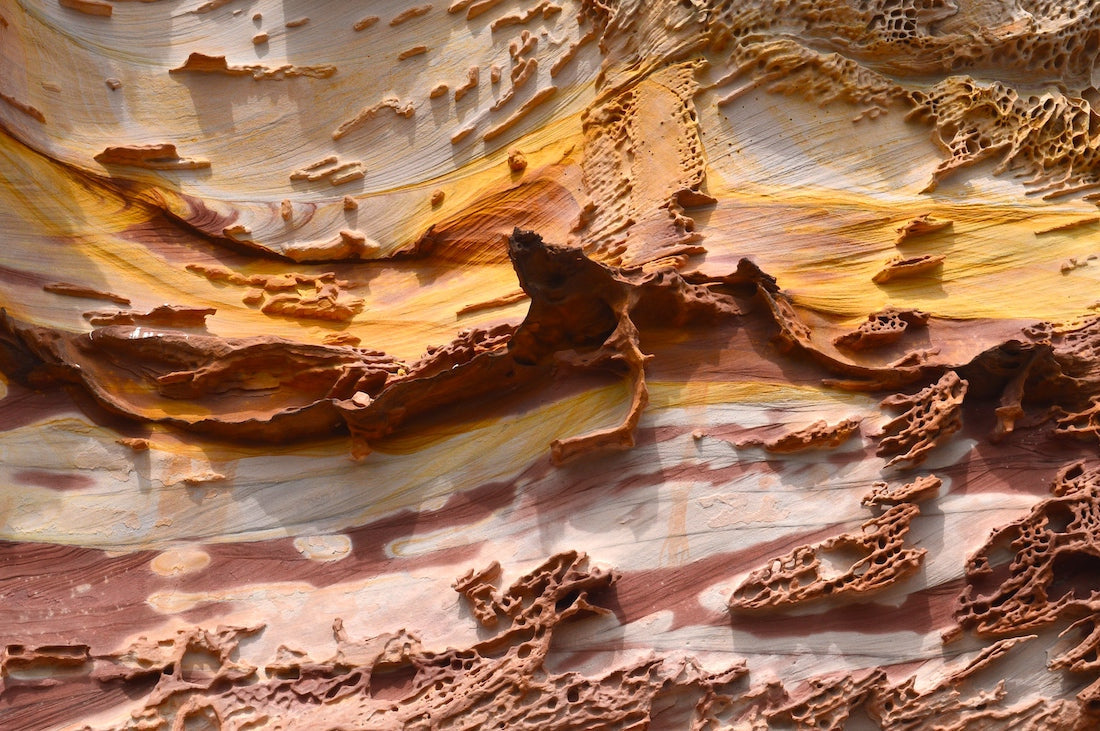
Above: Menorca's unique geological layering on the north side of the island, including slate, sandstone, volcanic rock, and red clay.
Menorca is split almost perfectly into two contrasting regions, two completely different geological “halves”. The North, often referred to as the "Tramuntana" region and known for its rugged and wild scenery, is formed from ancient rocks, some over 300 million years old. The north is reddish and dramatic, with cliffs, headlands, and coarse darker sand.

Above: the dramatic cliffs of Ses Penyes, on the north side of the island, not far from Mahón.
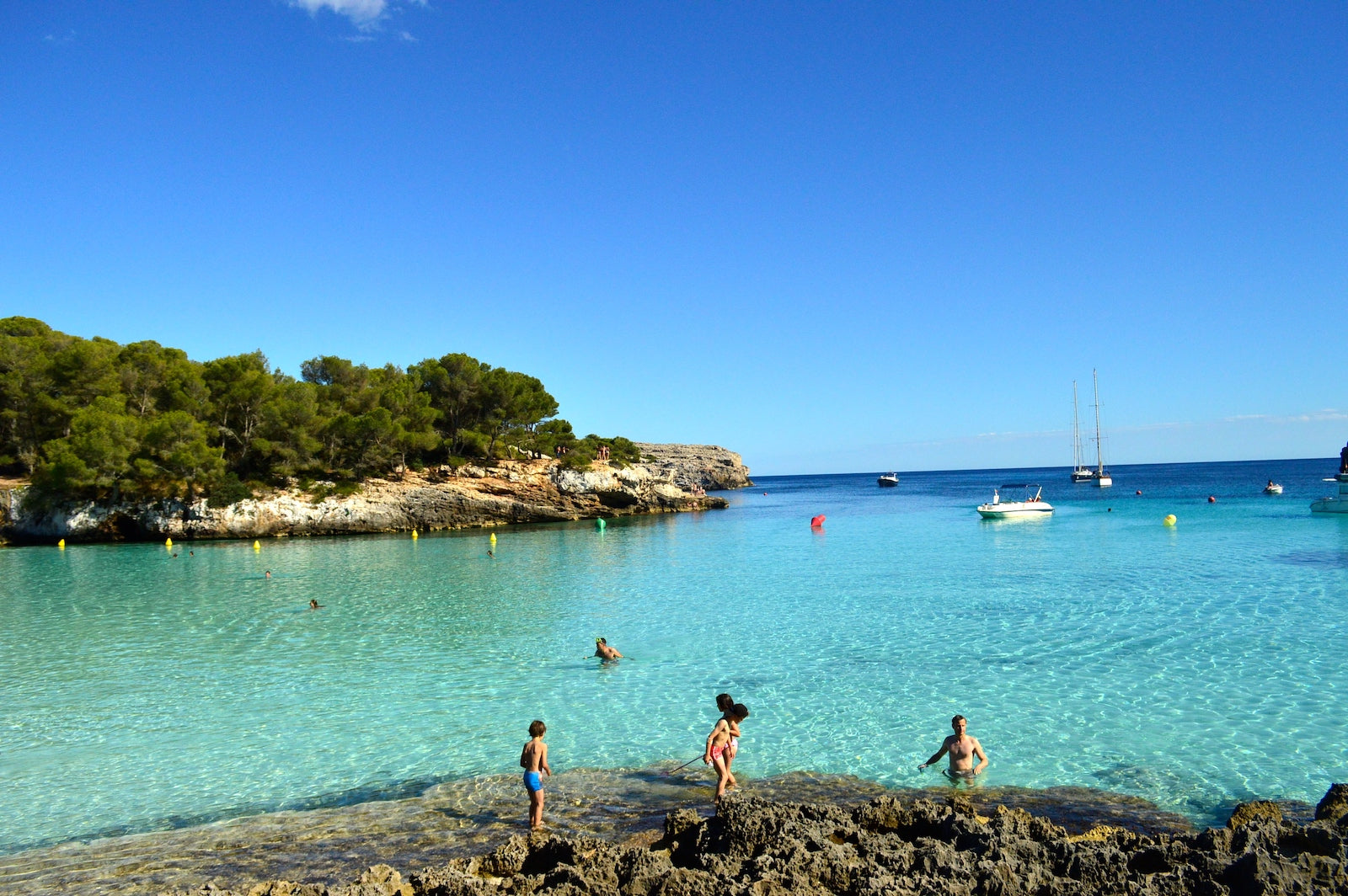
The South, often referred to as the "Migjorn" region is white and smooth and more forested. The region's porous limestone creates gorges, caves, and calm, white-sand coves.

Above: the typical white, pine cliffs of Menorca's south coast
Near the Favàritx lighthouse, the landscape is made of very dark, ancient metamorphic rocks that look barren, cracked and surreal. This area is often described as lunar and is unlike anything elsewhere in the Balearic Islands.

Above: the lunar like landscape surrounding the Favàritx lighthouse near Mahón.

Share: